
I recently saw a post saying that Calvinist Santa would put everyone on the naughty list. While this is a hilarious take on Total Depravity, it also reminded me that God’s view of us does not exist on the naughty-nice spectrum. No matter how much we might hope to put ourselves on one end, and others far from us, God sees us only with love.
Calvinist Santa reminded me of one of the most fundamental assumptions of my faith: That sin does not make us “bad” and that worship does not make us “good.” Sin makes us human, and the worshiping the God revealed to us in scripture gives us life. God’s logic does not operate on a good-bad spectrum. If it did, we would all so clearly be on the bad end of the line.
The Calvinist doctrine of Total Depravity explains a truth that I see operating in my life: Sin is easy and common. How often is lying the easy choice? Or taking a shortcut you know you shouldn’t take? Or speaking unkindly about someone behind their back? Or saying horrible things about yourself in the privacy of your own mind? Thinking of the human condition as fallen so far away from right relationship with God and each other makes God’s grace extraordinary. We so often fail, so often fall short, so often hurt others and ourselves. And yet, God is eager to forgive and call us back to God and to ourselves. When we see how our sin harms us and one another we then try to draw closer to God and further from sin–not because we want to be good, but because we want to be close enough to hear the One who loves us and calls out to us with an invitation to live joyfully. This joyful living comes through a commitment to the ways of Jesus–to building the beloved community with a posture of inclusion, abundance, and justice for the marginalized. Total Depravity is controversial because it is often wrongly understood to mean that all people are hopelessly “bad.” And yet, it is clear that God does not operate on such a good-bad spectrum (thankfully!).
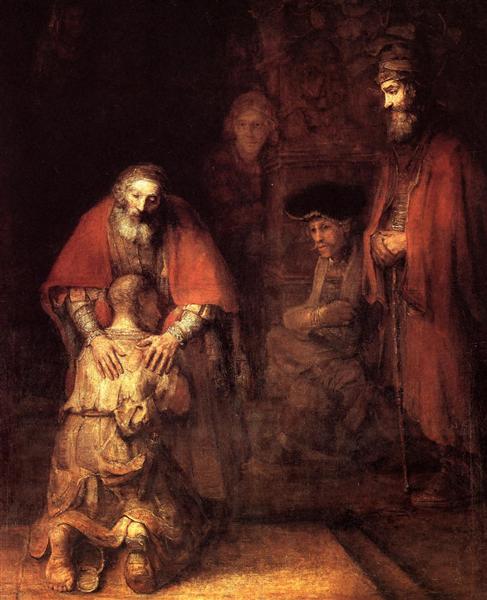
I once heard a friend preach a sermon in which she asked us: “Have you ever loved someone so much that when you look at them you want to give them whatever they ask for? Whatever they need? Whatever you can give of yourself you want them to have?” She then wondered, “What if God loves us like that?” God’s grace is ever-present in our lives, and easily accessible when we choose to see it. Something should shift in you when you begin to see this love and grace at work in the world–in individual lives and in relationships.
The end of the year brings with it the pressure to make goals for the year to come. For me, these goals are often attempts to be “better.” To exercise more, to write more, to be more disciplined with my prayers and study of scripture. To find some way to be a better version of myself than I was the year before. But recently, I thought to myself: What if this year, I made goals to be more alive? Goals to find life in my daily living: in worship, in prayer, in community. This next year, what would happen if we embraced the cycle of seeing our faults as the messy reality of being human, and God’s grace as the key to being more alive?
Howard Thurman wrote that “what the world needs is people who have come alive.” I share Thurman’s wide-eyed optimism that the world will change in beautiful ways as more people become fully alive. What goals would help you to come alive in this new year?
 Grace in the Wilderness
Leave a comment